
Car Turns Over but Won’t Start: What It Usually Means
When the starter spins the engine but it never fires, the battery is not the problem
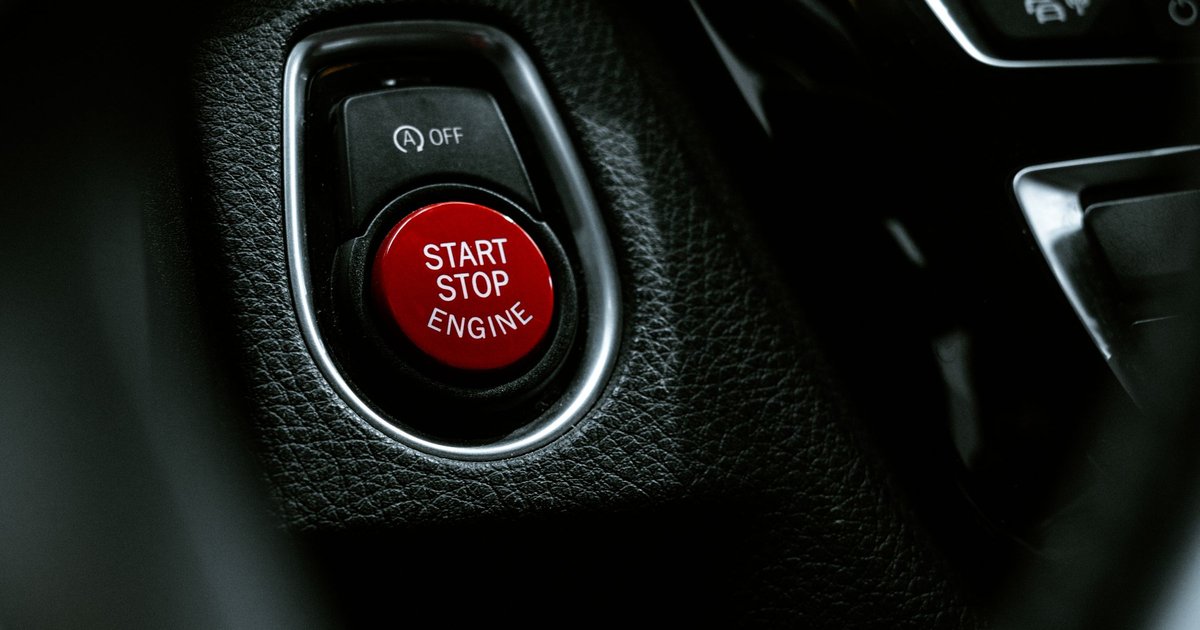
There are two very different kinds of "my car won’t start", and telling them apart is the quickest way to find the fault.
- It won’t turn over: you turn the key or press the button and get a click, a weak groan or nothing at all. The engine is not being spun. That is usually the battery, the connections or the starter motor, and we have covered it in our post on cars that won’t start with a good battery.
- It turns over but won’t start: the starter spins the engine normally, you hear it cranking, but it never fires and runs. The battery and starter are doing their job. Something else is missing.
This post is about the second one.
What an engine needs to run
A petrol or diesel engine needs three things at the right moment: fuel, air, and ignition (a spark in a petrol engine, compression heat in a diesel). Add a computer that has to agree it is allowed to start, and a timing belt or chain that keeps everything in step. When an engine cranks but will not fire, one of those is missing.
The common causes
No fuel getting through
- Running out of fuel. It sounds obvious, but fuel gauges do fail, and a car parked nose-up on a slope can starve with a little left in the tank.
- A failed fuel pump. With the ignition on, you can often hear the pump hum for a second or two from under the rear seat. Silence can point to the pump, its fuse or its relay.
- A blocked fuel filter, especially on a diesel that is overdue a service.
- The wrong fuel. Petrol in a diesel, or the other way round. If you have just filled up and the car will not start, or it ran briefly and died, do not keep cranking it. Call us or your breakdown service.
No spark (petrol cars)
- A failed crankshaft position sensor. This tells the engine computer where the engine is in its cycle. Without its signal, many cars will crank all day and never fire. It is one of the most common causes we find.
- Ignition coils or spark plugs that are worn or have been soaked by damp.
Diesel-specific causes
- Glow plugs. In cold weather a diesel needs its glow plugs to warm the cylinders before it will start. A failed glow plug or its control unit gives long cranking, a lot of white smoke, and sometimes a glow plug light that flashes.
- Air in the fuel system, often after running out of fuel or a filter change.
- Waxed fuel in very cold weather. Winter diesel is treated to resist this, but in a hard frost it can still happen.
The immobiliser
Every modern car has an immobiliser that stops the engine running unless it recognises the key. If the key’s chip is damaged, or a keyless fob’s battery is flat, the engine may crank but not fire, or fire for a second and cut out. Look for a flashing key or padlock light on the dashboard. Try the spare key; if the car starts on that, you have found the problem.
A broken timing belt
If the engine cranks noticeably faster or sounds different from usual, uneven and "empty", the timing belt may have snapped. Do not keep cranking it, as that can cause more damage. This is a job for the workshop, and we explain the difference between belts and chains in our cambelt or timing chain post.
A flooded engine
Less common on modern fuel-injected cars, but it still happens when an engine is started and switched off again after a few seconds, repeatedly, on a cold day. A strong smell of fuel is the clue.
What you can safely try
- Check the fuel gauge, and whether the fuel pump hums when the ignition is switched on.
- Look for warning lights, especially a flashing key, padlock or glow plug symbol.
- Try the spare key.
- On a diesel in cold weather, switch the ignition on and wait for the glow plug light to go out before cranking.
- Crank for no more than about ten seconds at a time, with a pause in between, so you do not flatten the battery or overheat the starter.
If none of that works, stop. Repeated cranking will flatten the battery and can damage the starter or the catalytic converter.
How we find the fault
We start with a diagnostic check: plugging into the engine computer to see which sensors are reporting and what codes are stored. From there we test fuel pressure, spark and sensor signals, rather than replacing parts on a guess. If the car cannot be driven, call your nearest branch and we will advise on getting it to us.
Frequently asked questions
My car turns over but won’t start, and the battery is fine. What is the most likely cause?
On a petrol car, a crankshaft sensor, fuel pump or immobiliser fault are the most common. On a diesel, glow plugs and fuel supply problems come top, especially in cold weather.
Can a bad battery still cause this?
Yes, occasionally. A battery can have enough charge to spin the starter but not enough to keep the engine electronics happy while it does. If the cranking sounds slow, test the battery first.
Is it safe to keep trying?
A few attempts are fine. Constant cranking is not: it drains the battery, heats the starter and, on a petrol car, can send unburned fuel into the catalytic converter.
Book a diagnostic check
Book online at bestgarages.co.uk or call your nearest branch: Newport on 01983 533360, Lymington on 01590 674776, or Fordingbridge on 01425 561504.